This post is about my own story and mentions my own book, The Mortgage Playbook. This is my own book, written and sold by me. When you buy through a link on this page, you are buying directly from the author.
You Already Know How to Do This One
For a lot of people, the word “exercise” brings up bad pictures. Packed gyms. Hard workouts. Sore muscles and expensive shoes. It is enough to make anyone stay on the couch.
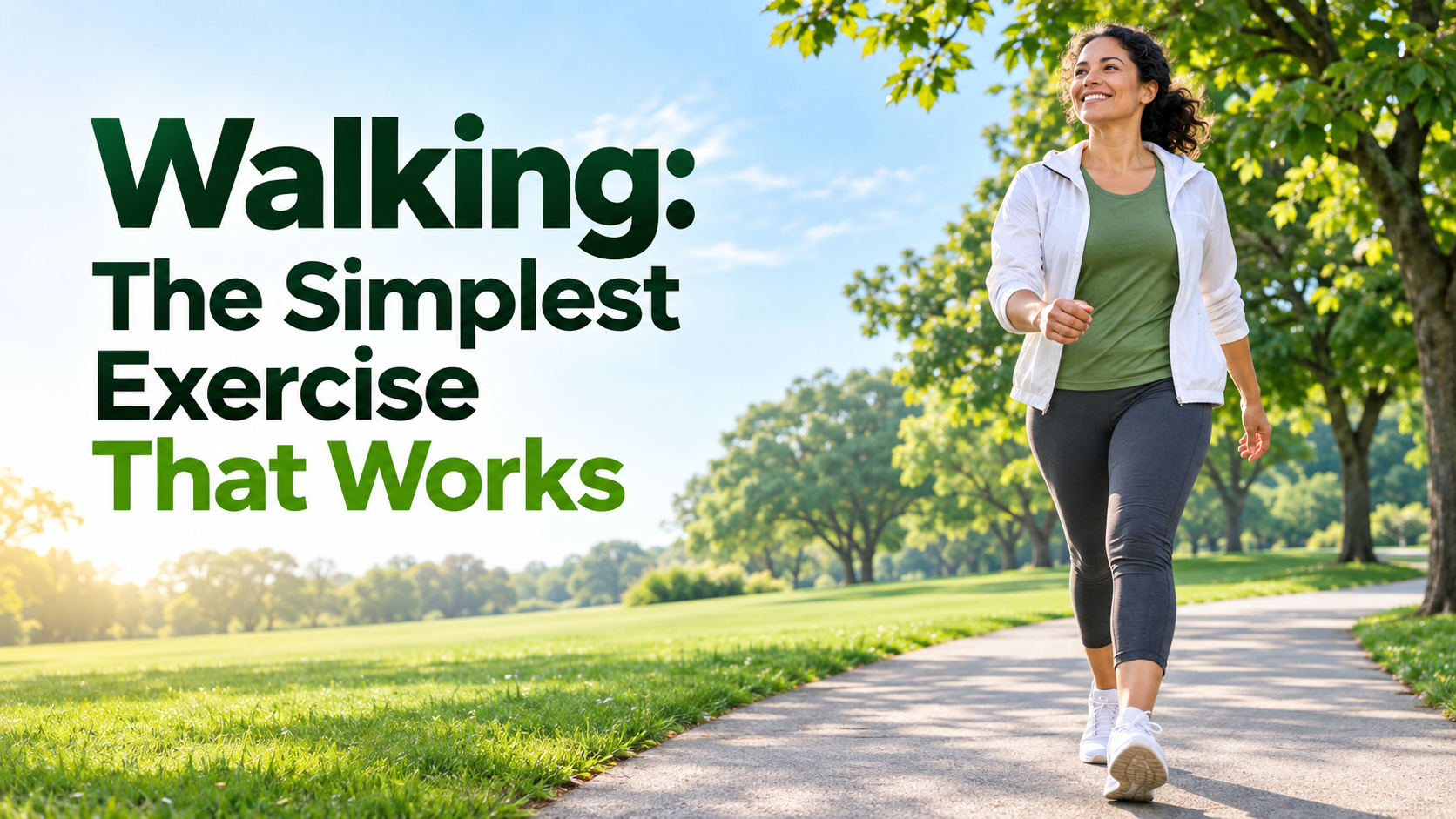
But there is one activity you have known how to do since you were a small child, and it may be the best fitness tool you own: walking. It is easy on your joints, it costs nothing, and you can do it almost anywhere.
What Makes Walking So Good
Think about what the perfect exercise would look like. It would be simple to do and easy to enjoy. It would help your heart, your weight, and your mood. It would need no special equipment. It would fit into whatever time you have. And it would put you in charge.
Walking checks every box. A regular walking habit can help support a healthy heart and blood pressure, help you manage your weight, and clear your head after a long day. Many people also find they sleep better on days they walk.
How Much Walking Is Enough?
You do not need to walk for hours. A good place to start is about 30 minutes a day, on most days of the week. That can be one walk, or three short walks of ten minutes each. Both count.
Short on time? Walk around the block after dinner. Park a little farther from the store door. Take the long way to the mailbox. Little bits of walking add up faster than you think.
Make It Part of Your Day
The walks that help you most are the ones you repeat. Pick a time that fits your life — before breakfast, on your lunch break, or right after supper — and tie the walk to something you already do. Soon it stops feeling like a chore and starts feeling like just part of the day.
A walking buddy helps too. A spouse, a friend, or even the dog can make the time pass fast and keep you honest on lazy days.
Action Steps
- Take a ten-minute walk today, right after a meal.
- Pick one daily time for walking and stick to it for a week.
- Add a few steps the easy way: park farther away, use the stairs, walk while you talk on the phone.
- Wear shoes that feel good, and step up your pace a little as the days go by — only as much as feels right.
Key Insights
- Walking is real exercise. It is gentle, free, and easy to keep doing.
- About 30 minutes on most days is a solid goal, and short walks count too.
- The best walking plan is the one built into your daily routine.
- You were built to walk. Start where you are and build from there.
That is the whole method around here: do what you can, keep it part of your daily routine, and don’t overextend yourself. Small walks, done daily, can carry you a long way.
How to Make Walking a Habit That Sticks
Walking works because people actually do it — so protect the doing. Anchor your walk to something that already happens every day: after breakfast, on your lunch break, right after dinner. Same trigger, same route to start. Lay your shoes by the door the night before. Tell somebody you are doing it. A walk tied to a daily anchor stops being a decision you renegotiate every morning, and decisions you do not have to remake are the ones that survive busy weeks.
When Walking Feels Too Easy
After a few weeks the same route will feel easier — that is fitness arriving, not the walk failing. Nudge it upward one notch at a time: a slightly faster pace for the middle stretch, a hill added to the route, five more minutes, or a second short walk later in the day. You never need to turn walking into training camp. Just keep the challenge honest, and the simplest exercise there is will keep working for years.
And if you miss a day, you have lost nothing but a day. Walking keeps no grudges and charges no restart fee. Lace up tomorrow and you are a walker again — that forgiveness is built into the exercise, and it is one more reason people stay with it for years.
Bring a spouse, a friend, a dog, or a podcast. Company makes the miles shorter, and a walk you look forward to is a walk you will still be taking next year.
Keep Reading
The book: Walk It Off! — The Simple Walking Plan for Real People — Theo’s walking companion to Weight It Up!, in our Shop.
This is general information, not medical advice. Talk to your doctor about what’s right for you.
Frequently Asked Questions
How much walking do I need to lose weight?
Start with what you can repeat — even 15 to 20 minutes a day — and build toward 30 to 45 minutes most days. Consistency over months matters far more than any single long walk.
Is walking really enough exercise?
For most beginners, yes. Walking improves fitness, mood, sleep, and blood sugar, and it is gentle enough to do daily. Add strength work later if you want more.
What if the weather is bad?
Have a backup route: a mall, a big store, a hallway loop at home, or a treadmill if you have one. A planned backup keeps the streak alive when the sky does not cooperate.