This post is about my own story and mentions my own book, The Mortgage Playbook. This is my own book, written and sold by me. When you buy through a link on this page, you are buying directly from the author.
This post is about my own story and mentions my own book, Walk It Off!. This is my own book, written and sold by me. When you buy through a link on this page, you are buying directly from the author.
Yes, you can walk to lose weight by making walking a regular, steady habit you can keep, starting at a pace and distance that fit your real life and building from there.
Walking is simple, familiar, and flexible. You do not need to be an athlete or begin with long, exhausting outings. For many beginners, the most useful starting point is simply finding a comfortable way to move more often.
Weight changes are personal and can be affected by many things, so walking cannot promise a particular result. Think of it as one practical part of a broader approach to everyday wellness. If you have health concerns, pain, an injury, or questions about what level of activity is appropriate, check with your own doctor before getting started.
Why Walking Can Be a Realistic Place to Begin
Many fitness routines look good on paper but feel difficult to fit into normal life. They may require special equipment, travel, complicated rules, or more time than a beginner can comfortably give.
Walking removes several of those barriers. Depending on your circumstances, you may be able to walk near home, around a workplace, through a shopping centre, or on a treadmill. You can choose a time and setting that feel comfortable instead of forcing yourself into someone else’s routine.
It can also be adjusted. A person who has not been active recently does not need to copy someone who walks every day. Your starting point should reflect your current ability, available time, surroundings, and confidence.
This matters because a manageable habit is usually easier to repeat than an ambitious effort that leaves you dreading the next attempt.
Start With the Life You Actually Have
It is easy to imagine the perfect walking routine: good weather, plenty of free time, the right clothes, and endless motivation. Real life rarely works that way.
You may have work, family responsibilities, changing weather, limited daylight, or days when your energy feels lower. A realistic approach makes room for those things.
Before you begin, look at your usual day. Ask yourself where walking could fit with the least friction. That might be before breakfast, during a break, after work, or while completing an ordinary errand. There is no single correct answer.
Choose a Comfortable Starting Point
Your first walk does not need to prove anything. Choose a pace and distance that feel approachable. You should finish knowing that you made time to move, not feeling that you have failed because you did not match somebody else.
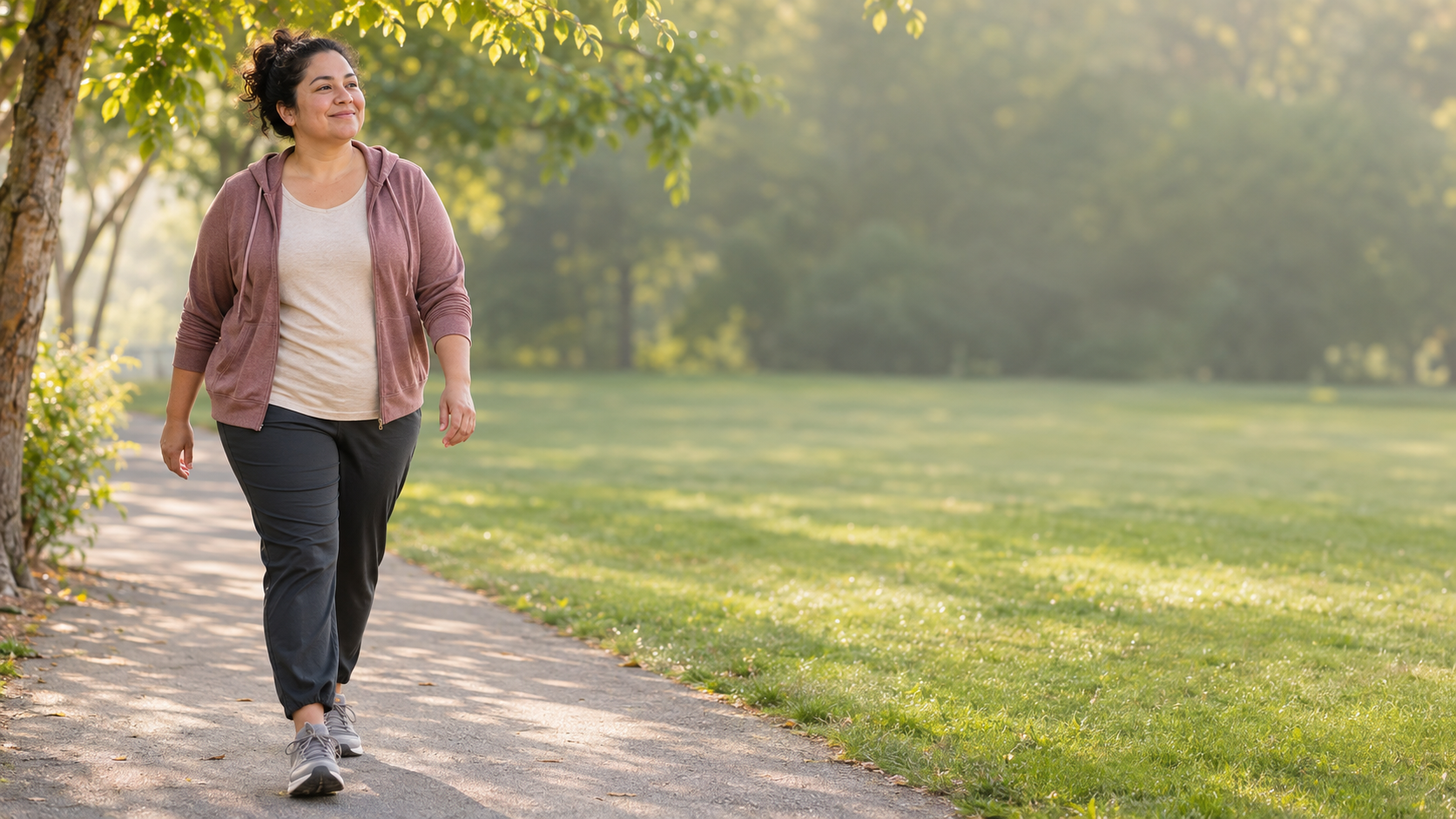
For example, one beginner might walk to the end of the street and back. Another might take a relaxed turn around a local park. Someone with a busy day might add a little walking while doing an errand. These examples are not targets. They simply show that a useful starting point can look different for different people.
Make It Easy to Begin
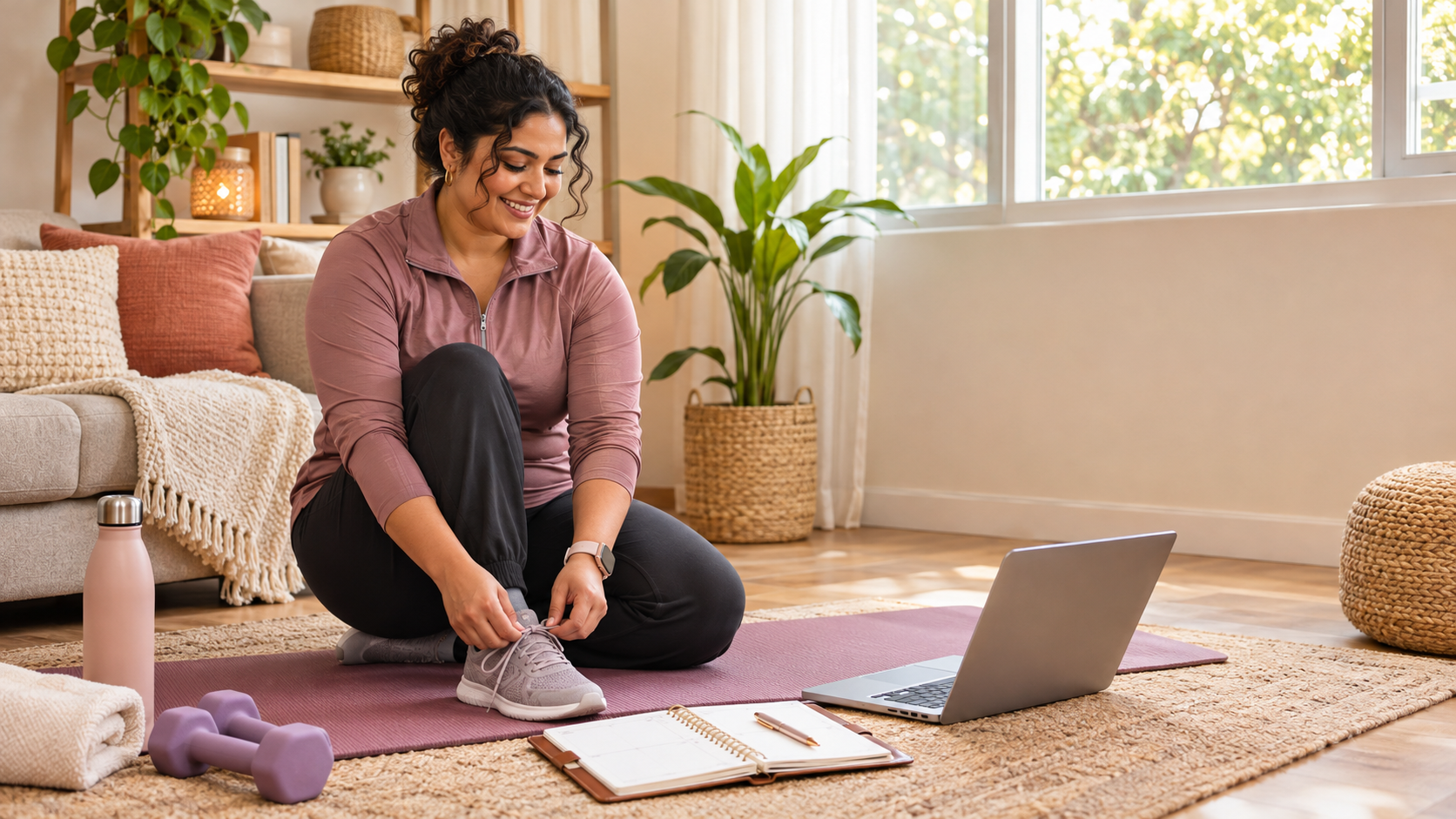
Small bits of preparation can reduce excuses. Put comfortable shoes somewhere visible. Decide where you could walk safely. Have an indoor alternative in mind when weather or daylight makes an outdoor walk impractical.
You can also connect walking to something you already do. A walk might come after lunch, before your evening shower, or after dropping children at school. The existing activity acts as a reminder without requiring an elaborate system.
Pay Attention to Consistency, Not Perfection
Missing a walk does not erase your previous effort. Plans change, busy days happen, and motivation rises and falls. The helpful response is not to punish yourself. It is to return to the habit when you reasonably can.
A simple calendar note or check mark can help you notice consistency. Keep the record neutral. It is information, not a scorecard for judging yourself.
Build Gently Instead of Rushing
When a new habit feels good, it can be tempting to add too much too soon. A gentler approach gives you time to learn what fits your routine.
If your current walking feels manageable, you can consider a modest change. That could mean walking a little farther, choosing a slightly more purposeful pace, or finding another natural opportunity to move during the day. You do not have to change everything at once.
How you feel matters. Ordinary effort is different from sharp pain, dizziness, or feeling unwell. Stop if something does not feel right, and speak with your doctor if you are unsure about your symptoms or your personal activity needs.
Do Not Let the Scale Tell the Whole Story
If your goal is to walk to lose weight, it is understandable to focus on the number on the scale. But that number can change for many reasons, and it may not reflect your daily effort in a simple or immediate way.
It can be more encouraging to notice the actions you can control. Did you make space for a walk? Is getting out the door becoming more familiar? Have you found a route you enjoy? Are you learning which time of day works best?
These observations do not guarantee weight loss, but they can help you build a healthier relationship with the process. A walking habit can still be worthwhile as a simple way to move, spend time outside, create a break in the day, or support general wellbeing.
About Walk It Off!
I wrote Walk It Off! – The Simple Walking Plan for Real People for people who want a gentle, doable way to move more. It is aimed at beginners and everyday people rather than experienced athletes looking for an intense challenge.
The book is for the person who wants a clear starting point without turning walking into another source of pressure. Its focus is realistic movement for real schedules, including people who may feel uncertain about beginning.
I will not reproduce the book’s plan here. The point of this article is to help you decide whether walking feels like a suitable direction and whether the book sounds like the kind of support you want.
It is not medical advice or a promise of a particular outcome. Your body, circumstances, and goals are your own. If you need individual guidance, your doctor is the right person to ask what is appropriate for you.
A Simple Conclusion
You do not need a dramatic fitness makeover to begin walking. Start from where you are, choose something that fits your current life, and let consistency matter more than perfection.
If you want to walk to lose weight, keep your expectations realistic. Walking can support a more active lifestyle, but no book, routine, or individual walk can guarantee what the scale will do. The most useful approach is one you can repeat without making your life feel harder than it needs to be.
Frequently Asked Questions
Can beginners use walking as a starting point?
Yes. Walking can be adjusted to suit many starting levels. Begin at a pace and distance that feel comfortable for you rather than trying to match someone else. Ask your doctor for personal guidance if you have health concerns or are unsure what is appropriate.
Do I need special equipment to start walking?
You do not need complicated equipment. Comfortable, suitable footwear and a safe place to walk are useful basics. Your individual needs may vary depending on your surroundings and circumstances.
What if I miss a walk?
A missed walk does not mean you have failed. Return to the habit when you can. A flexible, repeatable approach is often more practical than expecting yourself to be perfect.
Does walking guarantee weight loss?
No. Weight changes depend on many personal factors, and results cannot be guaranteed. Walking is best viewed as a practical form of everyday movement that may support broader wellness goals.
Who is Walk It Off! for?
It is for beginners and everyday people who want a gentle, realistic way to move more. It may suit readers who prefer a straightforward starting point instead of an intense fitness challenge.
If that sounds like the kind of support you need, you can get Walk It Off! – The Simple Walking Plan for Real People for $19 directly from me through the Weight It Up Shop.