This post is about my own story and mentions my own book, The Mortgage Playbook. This is my own book, written and sold by me. When you buy through a link on this page, you are buying directly from the author.
This post is about my own story and mentions my own book, Walk It Off!. This is my own book, written and sold by me. When you buy through a link on this page, you are buying directly from the author.
There is no single magic number of minutes. What helps is a daily walk you can actually keep, starting with a length and pace that fit your real life and building up steadily as it becomes a habit.
If you are wondering how long you should walk a day to lose weight, the honest answer depends on your starting point, routine, comfort, and personal goals. Walking can be one part of a broader approach to everyday wellbeing, but no particular walk can guarantee a change in weight.
Why There Is No Perfect Walking Number
It is easy to look for one ideal number because numbers feel clear. Real life is rarely that tidy.
A walk that feels gentle to one person may feel challenging to someone else. One person may have a flexible afternoon, while another is balancing work, children, errands, and unpredictable days. Fitness, mobility, weather, location, and available time can all affect what is practical.
Body weight can also be influenced by many parts of life, including eating patterns, sleep, stress, daily routines, and individual circumstances. That is why I do not think it is helpful to present walking as a guaranteed answer or attach a promised result to a certain amount of time.
A more useful question is: “What kind of walk could I realistically repeat?”
Start With the Life You Actually Have
A sustainable walking habit should fit your real week, not an imaginary week in which nothing goes wrong.
If your days are busy, your starting walk may be modest. If you already move regularly, you may be comfortable doing more. Neither starting point is morally better. The important thing is choosing something that feels manageable enough to do again.
The practical ideas below are general considerations, not a preview of the plan in my book.
Choose a realistic opportunity
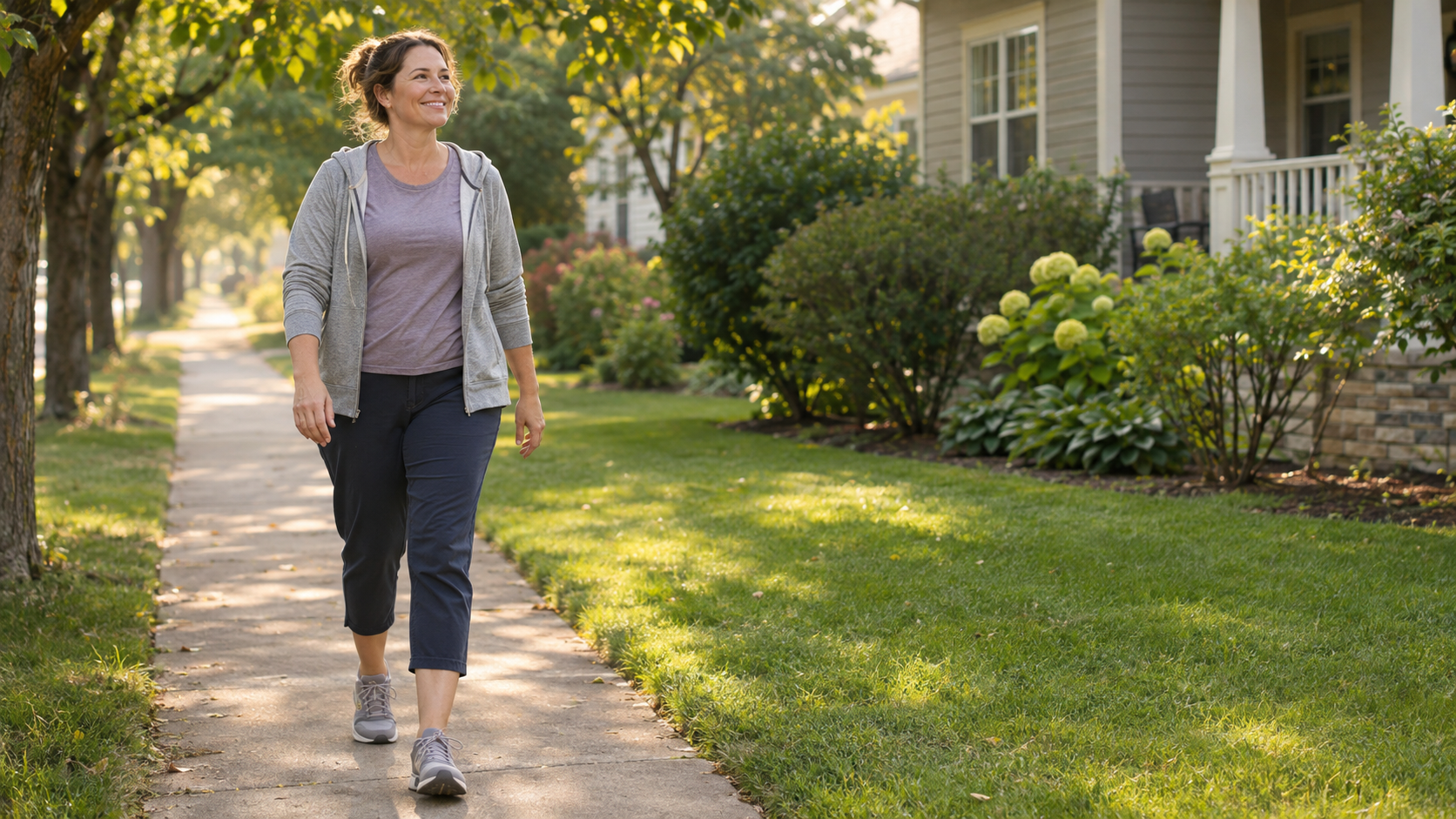
Look for a part of the day when walking feels possible rather than ideal. That might be after closing your laptop, before starting the evening routine, during a break, or while completing an ordinary errand.
For example, a small business owner might step outside after finishing the day’s orders. Someone working from home might walk when they would normally scroll on their phone. The best opportunity is the one that genuinely fits.
Make the first goal easy to repeat
Beginners often feel pressure to start with an impressive effort. A gentler start can make it easier to learn what works for your body, your surroundings, and your schedule.
You do not need to prove anything on the first day. A comfortable walk that you are willing to repeat can be more useful than one demanding outing that makes you dread the next one.
Reduce small obstacles
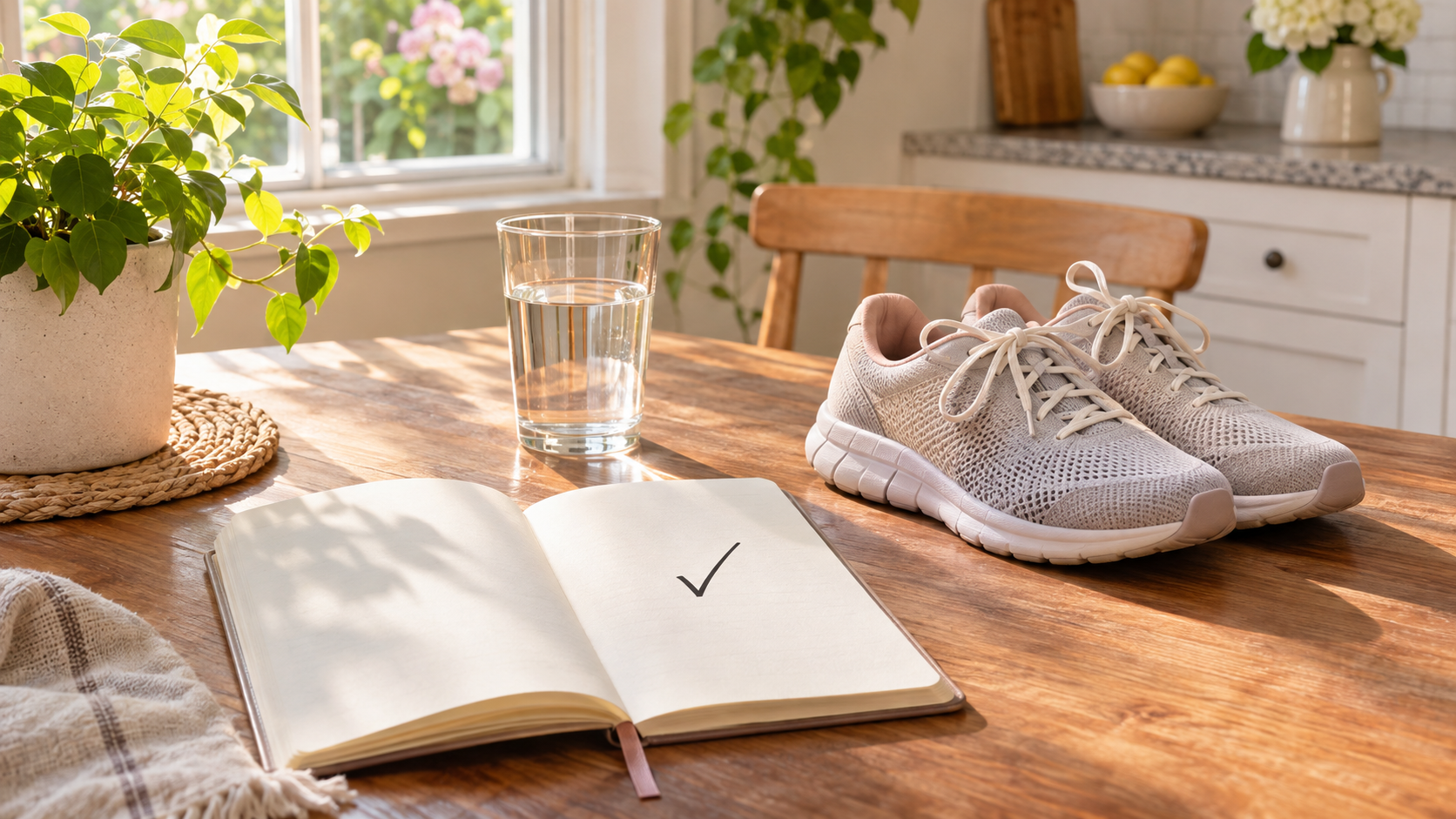
Simple preparation can remove some of the friction around walking. Keep suitable footwear easy to find, decide where you feel comfortable walking, and consider a backup option for poor weather.
Your backup does not need to be elaborate. It could mean choosing a covered public space or postponing the walk until conditions are safer. The aim is not perfection. It is making the decision feel simpler.
Let your pace belong to you
You do not need to copy the pace of a fitness influencer, friend, or stranger. A suitable pace is personal and may vary from day to day.
Pay attention to how you feel and adjust when needed. If you have health concerns, pain, mobility limitations, or questions about beginning physical activity, check with your own doctor about what is appropriate for you.
Consistency Matters More Than an Impressive Day
When people ask how far or how long to walk a day to lose weight, they may be hoping for a rule that makes the process certain. Unfortunately, no honest person can promise that.
What you can control is whether your approach is realistic. A repeatable routine gives you a chance to become more comfortable with regular movement. Over time, you may naturally decide that you want to walk a little longer, choose a different route, or move at a different pace.
There will also be interrupted days. Work runs late. Weather changes. Family responsibilities take priority. Missing a walk does not erase your previous effort, and it does not mean you have failed. You can simply return when it makes sense.
Keep the Focus Wider Than the Scale
If weight management is one of your goals, it can still help to notice other reasons you value a walk. You might enjoy stepping away from a screen, having a quiet transition between work and home, getting outside, or creating a little personal space in the day.
These everyday benefits can make the habit feel worthwhile without requiring a particular result from the scale. They can also help you avoid treating movement as punishment for eating or as a test you must pass.
Walking does not need to be dramatic to count as movement. It can simply be a practical way to become less sedentary and add more activity to ordinary life.
About Walk It Off!
Walk It Off! – The Simple Walking Plan for Real People is my own book for people who want a gentle, doable way to move more every day.
I created it with beginners and everyday people in mind. It is for readers who want a realistic starting point rather than an extreme challenge, competitive fitness message, or promise of instant transformation.
The book is not medical advice, and it does not promise weight loss or any specific result. It is a simple resource for people who would like some friendly structure around getting started with walking. You should always check with your own doctor if you are unsure what kind of activity is right for you.
A Realistic Conclusion
There is no universal answer to how long you should walk a day to lose weight. Your useful starting point is a walk that suits your current ability, available time, and everyday responsibilities.
Begin where you are, keep your expectations reasonable, and allow the habit to develop without demanding perfection. A gentle approach may not sound dramatic, but it is much closer to how real people live.
Frequently Asked Questions
How many minutes should a beginner walk each day?
There is no single amount that suits every beginner. Start with a duration and pace that feel manageable for your current situation, then adjust gradually as walking becomes more familiar. Ask your doctor for personal guidance if you have concerns.
Do I have to walk fast?
No universal pace is right for everyone. Choose a pace that feels appropriate for you, your surroundings, and how you feel that day. You do not need to compete with anyone else.
What if I miss a day?
Missing a day does not mean the habit is over. Life changes from day to day. Return to walking when you reasonably can instead of trying to punish yourself or make up for it.
Who is Walk It Off! for?
It is for beginners and everyday people who want a gentle, realistic walking-based starting point. If that sounds like the kind of support you need, you can get Walk It Off! for $19 here directly from me.